




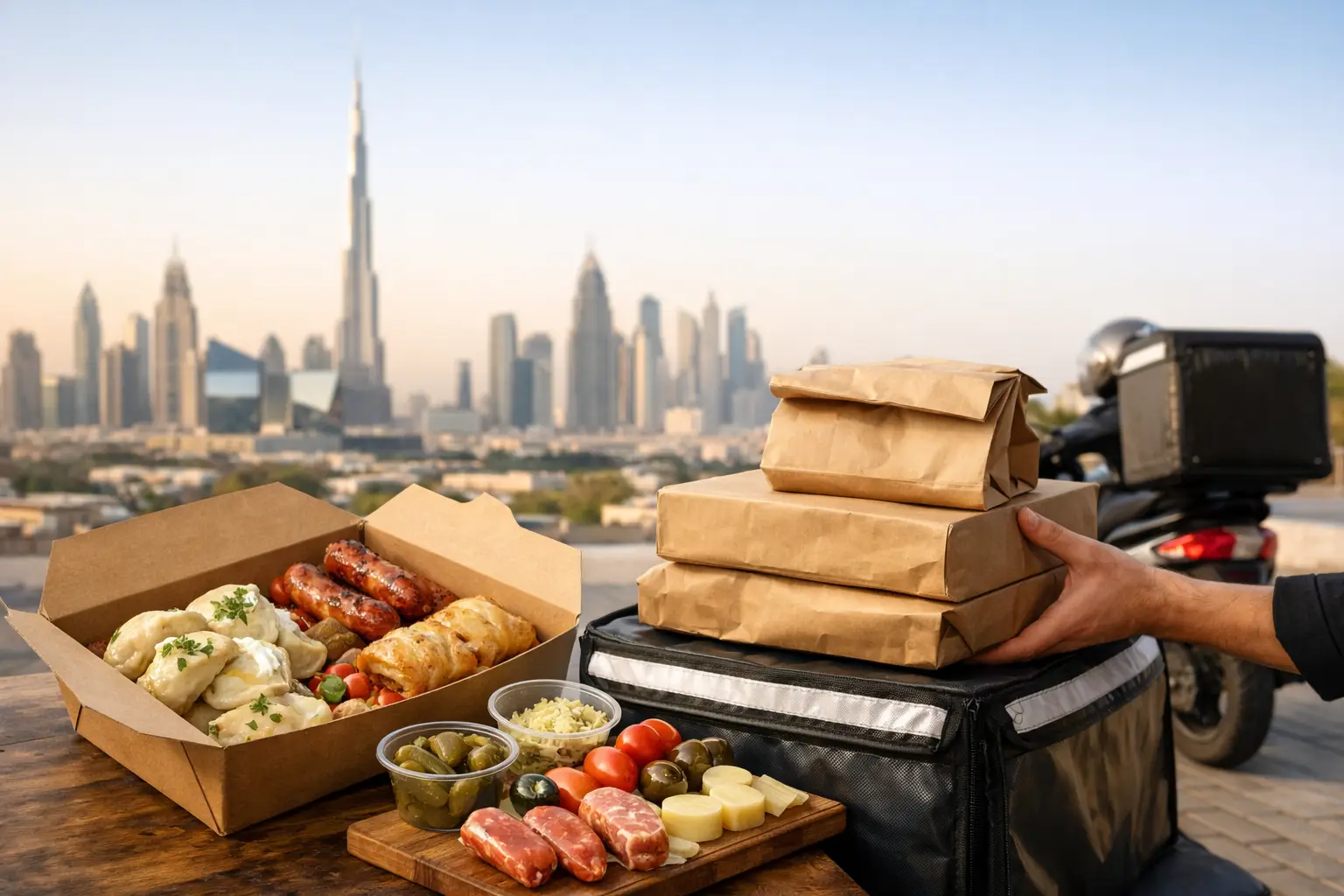
A quick weeknight dinner often starts long before you cook. It starts with having the right pantry at home – buckwheat, tea, canned fish, pickled vegetables, soups, cookies, and the familiar staples you actually use every week. For many households, eastern european food delivery uae is less about novelty and more about making everyday grocery shopping simpler, faster, and more predictable.
Why eastern european food delivery UAE matters for weekly shopping
If you live in Dubai or elsewhere in the UAE, you already know the usual problem. Mainstream supermarkets may carry a few imported items, but not always the exact brands, pack sizes, or categories that fit Eastern European and Russian-speaking households. One store has tea but no preserves. Another has canned goods but not the grains you buy regularly. A third might stock something once, then disappear it the next month.
That is where specialized online grocery delivery becomes practical. Instead of building your weekly cart across multiple stops, you can order pantry staples in one place and keep your kitchen stocked with products that match your routine. This is especially useful for families, busy professionals, and anyone who prefers planned home delivery over spending time driving between stores.
The real value is consistency. When a store is built around this category, the assortment tends to reflect how people actually shop. That means everyday items, not just a token international shelf. It also means the product mix is often better suited to repeat purchases: grains, tea, canned vegetables, marinades, noodles, snacks, cookies, preserves, and shelf-stable essentials that support a full week of meals and small household top-ups.
What shoppers usually look for in Eastern European food delivery UAE
Most customers are not placing a specialty order for one hard-to-find item. They are trying to solve a household need in one transaction. In practice, that means a well-built store should help you combine staples and comfort foods in the same cart.
A strong assortment usually starts with pantry basics. Grains, flour, oats, legumes, instant noodles, soups, and canned products matter because they form the base of quick lunches and family dinners. Then come the supporting categories that make meals taste familiar: sauces, vinegars, seasonings, marinades, and preserved vegetables.
Tea is another category that matters more than outsiders often assume. For many shoppers, tea is not an occasional product. It is a weekly necessity, often bought alongside cookies, crackers, wafers, and other everyday snacks. The same goes for canned fish, preserves, juices, and shelf-stable sweets. These are routine purchases, not luxury imports.
Brand recognition also plays a big role. Shoppers often search for names they already know because brand familiarity reduces risk. If you have bought the same tea, canned vegetables, or cereal for years, you do not want to gamble on a replacement every time stock changes. Recognizable regional brands give customers confidence and speed up decision-making.
What makes a good online store for this category
A good specialty grocery store should do more than list products. It should make weekly shopping easier from the first click to checkout.
The first sign is category structure. If the catalog is organized around real household behavior, customers can move quickly from tea to canned goods to grains to snacks without hunting through unclear menus. That matters even more for repeat buyers, who want to restock familiar items in minutes.
The second sign is a practical product mix. A useful store balances variety with relevance. Too little choice forces compromise. Too much random choice slows people down. The best stores focus on categories customers actually reorder and keep those categories broad enough to support one full basket.
The third sign is local convenience. Delivery in the UAE is not just about distance. It is about reliability, order accuracy, and clear expectations. Shoppers want to know that the products are available, the site is easy to use, and the order process feels straightforward. For an audience buying household groceries rather than gift items, trust matters more than flashy presentation.
Language also affects usability. For Russian-speaking customers, a store that understands the audience and reflects familiar product naming can make shopping faster and more accurate. That does not mean the site has to be complex. It means the experience should reduce friction and support confident buying.
The trade-off between specialty stores and big supermarkets
There is no single perfect option for every order. It depends on what you need.
Large supermarkets work well for broad household shopping, especially if you are buying fresh produce, dairy, and standard international brands in the same order. But when the priority is Eastern European pantry items, their assortment can feel inconsistent. You may find one or two products from a category, but not enough selection to complete your list.
Specialty online stores usually perform better when you want cultural relevance, familiar brands, and the ability to stock up on shelf-stable essentials in one place. The trade-off is that they may be more focused on dry goods, canned items, snacks, tea, and preserved foods than on a full fresh grocery range. For many households, that is not a problem. It simply means using the specialty store for core pantry shopping and filling in perishables elsewhere if needed.
That split approach is often the most efficient. It saves time, improves the quality of your pantry restock, and reduces the frustration of searching for specific items in stores that were never designed around your preferences.
How to shop smarter with eastern european food delivery uae
The easiest way to get full value from eastern european food delivery uae is to shop by routine, not by impulse. Start with the products your household uses every week. Think in terms of tea, grains, canned goods, preserves, noodles, soups, cookies, and snack items that disappear regularly. Then add meal-support categories such as sauces, pickles, marinades, and seasonings.
It also helps to build a shelf-stable base order. Imported grocery categories can fluctuate, and popular products may sell out. If you know your household will use buckwheat, canned fish, tea, and packaged snacks over the next few weeks, it makes sense to order ahead instead of waiting until the kitchen is nearly empty.
Another practical step is to pay attention to brands that consistently meet your expectations. Repeat buying saves time. Once you know which items work for your family, reordering becomes faster and more reliable than experimenting every week.
For shoppers in the UAE, delivery timing matters too. Instead of treating pantry shopping as an emergency task, it works better as a scheduled habit. A planned order once a week or once every two weeks is usually enough to keep essentials in stock and avoid last-minute supermarket runs.
What a specialized service should feel like
A specialized grocery service should feel useful from the first minute. Not complicated. Not overly curated for show. Useful.
That means clear categories, familiar products, and a checkout process that respects the customer’s time. It means offering shelf-stable foods that are genuinely part of daily life, from juices and tea to cookies, grains, canned vegetables, preserves, and quick-prep meal items. It also means understanding that many customers are shopping for the household, not for a one-time indulgence.
This is where a focused retailer like Nasha.ae fits naturally. The value is not only in imported products. It is in bringing together pantry staples, recognized regional brands, and local UAE delivery in one place for customers who want practical weekly shopping without unnecessary searching.
For the right customer, that convenience adds up quickly. Fewer store visits, fewer substitutions, and a cart that actually reflects how the household eats.
The best grocery service is the one that makes your next meal easier before you even think about cooking. If your pantry depends on familiar Eastern European staples, choosing a delivery option built around that reality is often the simplest decision of the week.


