




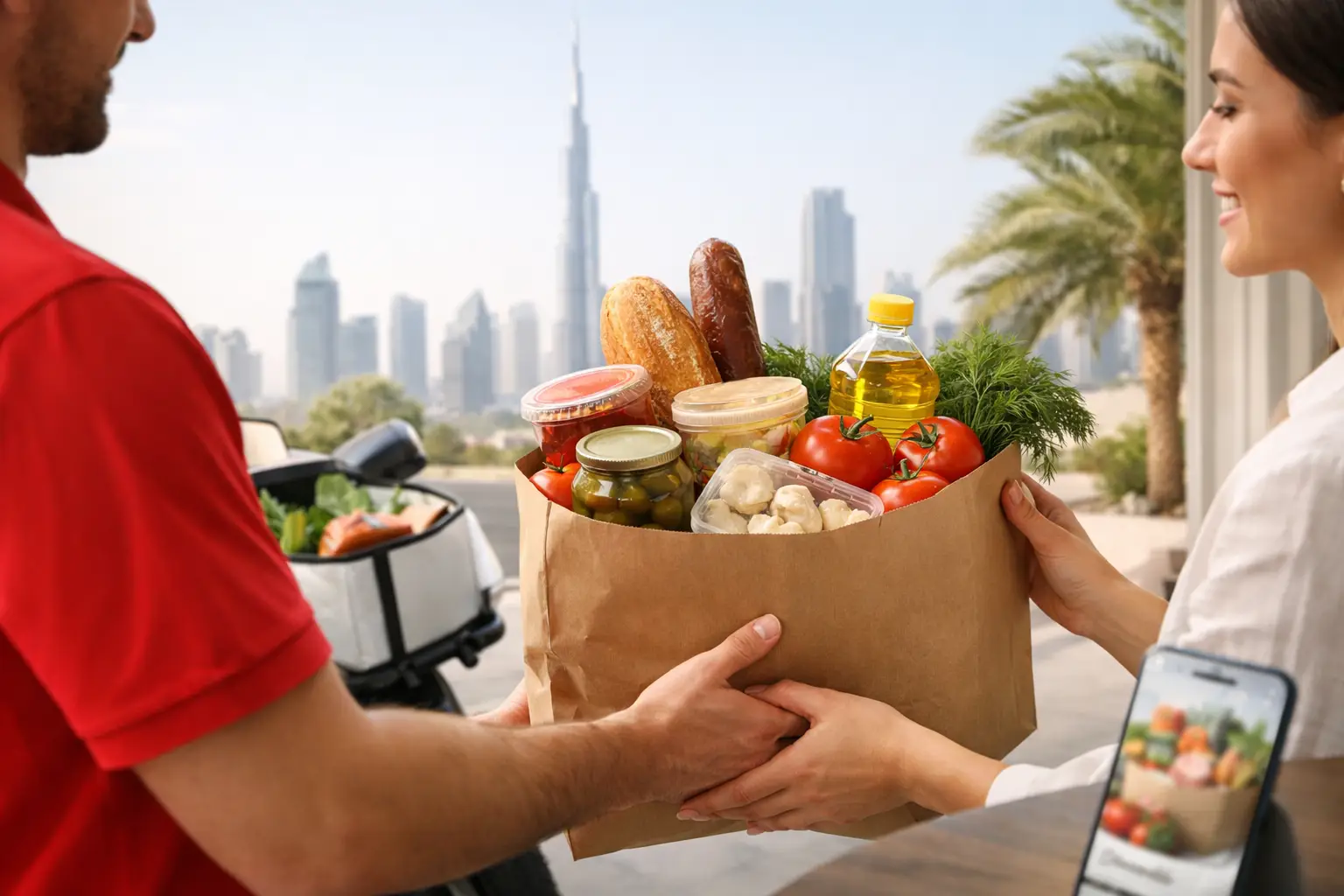
By Thursday evening, most grocery runs in Dubai start to feel the same – traffic, parking, one store for tea, another for canned fish, and still another for the brands you actually recognize. For many families and busy professionals, Eastern European including russian grocery delivery Dubai is less about convenience in the abstract and more about solving a very ordinary weekly problem: getting familiar products to the door without turning one shopping list into three separate errands.
That matters more than it may seem. Mainstream supermarkets in Dubai are strong on broad assortment, but not always on the specific shelf-stable foods many Russian-speaking shoppers buy every week. You might find a few imported items, but not the full mix of tea, grains, preserved vegetables, biscuits, bread crisps, sauces, instant meals, and canned goods that make home cooking easier. Online delivery changes that by bringing those routine purchases into one place.
Why Eastern European including russian grocery delivery Dubai fits real weekly shopping
Most people are not placing specialty grocery orders for novelty. They are restocking the basics they know they will use. Tea for the morning, canned vegetables for quick dinners, oats and flour for the kitchen, snacks for work or school, and convenience foods for the nights when nobody wants to cook from scratch.
This is why Eastern European including russian grocery delivery Dubai works best when the assortment is built around everyday demand, not just rare imported treats. A useful service has to cover pantry staples and recognizable brands, not only gift items or holiday products. If a customer can add preserves, grains, sauces, noodles, biscuits, and canned fish to one cart, the order becomes practical enough to replace an in-person trip.
There is also a comfort factor that should not be underestimated. Familiar labels reduce decision fatigue. When you already know which tea you drink, which pickled vegetables you prefer, or which canned products you keep on hand, shopping becomes faster. That is especially valuable for expat households trying to maintain food habits they grew up with while managing a busy schedule in the UAE.
What people usually want from Eastern European including Russian grocery store online
The strongest online grocery services understand that shoppers are not browsing randomly. They often come in with a mental checklist. Shelf-stable categories do a lot of the heavy lifting because they are easy to store, easy to reorder, and useful across many meals.
Tea is one of the clearest examples. Customers tend to repeat-purchase the same types and brands, which makes online ordering especially efficient. The same goes for biscuits, bread crisps, chips, nuts, grains, legumes, noodles, soups, sauces, vinegar, and seasonings. Preserved and canned products are another core area because they make it easier to prepare familiar meals without hunting across multiple stores.
Recognizable regional brands also matter. For many shoppers, brand familiarity is not a luxury. It is a shortcut to trust. If you know the taste, quality, and use case of a product already, you are more likely to reorder it online with confidence. That is one reason curated grocery stores often outperform larger, less focused marketplaces in this category.
The biggest advantage is not speed alone
Fast delivery matters, but it is only part of the value. The larger advantage is reducing friction across the full shopping process. Instead of searching different apps, checking availability item by item, and settling for substitutes, customers can shop in a catalog structured around how they actually buy food.
A good Eastern European including Russian grocery delivery experience in Dubai should make categories easy to scan and products easy to compare. If the interface is clear and the assortment is curated, the customer spends less time guessing and more time completing the order. That is a very practical benefit for families doing larger weekly baskets and for professionals ordering between meetings or after work.
There is a cost side to this as well. Delivery is not always cheaper than buying locally if you only need one or two items. But when an online order replaces several store visits, the time saved often becomes the real value. Fuel, parking, impulse purchases, and the simple effort of moving around the city all add up.
How to choose a russian grocery delivery Dubai service
Not every online grocery option will suit the same customer. If you cook often and stock your pantry in bulk, category depth matters more than novelty. If you shop in smaller baskets, availability and repeat ordering may matter more than a huge catalog.
The first thing to look at is assortment quality. A strong service should cover the routine categories that support everyday meals and snacks, not just a narrow imported selection. Pantry staples, preserved foods, tea, grains, biscuits, sauces, and quick-prep items should all be easy to find.
The second factor is product structure. Clear categories save time. If the store groups products in a way that matches real shopping behavior, the order process feels straightforward. Russian-language shoppers often value this more than flashy design. They want to get in, find the right products, and check out without confusion.
The third factor is delivery fit. Some services are fine for occasional orders but less useful for regular household shopping. It helps to choose a provider set up for repeat purchase behavior, where customers can reliably reorder staples without wondering whether the assortment will shift unpredictably from week to week.
Trust also plays a role. Customers want local contact details, a professional storefront, transparent ordering terms, and a buying process that aligns with UAE consumer protections. These signals matter because grocery delivery is routine commerce, not a one-time impulse purchase.
When online delivery is better than visiting a supermarket
There are cases where an in-person supermarket trip still makes sense. If you need fresh produce, bakery items, or same-hour essentials from a nearby store, offline shopping can be the quicker option. Some customers also prefer to inspect certain products physically before buying.
But for shelf-stable grocery shopping, online delivery often wins. Pantry restocking is predictable. Many of the same items return to the cart every week or every month. That kind of shopping does not need an aisle-by-aisle decision process. It needs availability, clarity, and reliable delivery.
For Russian-speaking households in Dubai, that difference is even more noticeable. The issue is rarely whether groceries are available somewhere in the city. The issue is whether the right combination of products can be bought in one order without extra searching. That is exactly where specialized online grocery performs best.
A practical way to build a better order
The easiest way to use russian grocery delivery Dubai is to think in meal support, not just product categories. Start with the items that anchor the week: tea, grains, canned goods, sauces, noodles, soups, snacks, and preserved products. Then add the smaller items that are annoying to source separately, like seasonings, bread crisps, biscuits, or specialty pantry staples.
This approach helps keep orders efficient and reduces the chance of forgetting essentials. It also makes online shopping feel less like browsing and more like a structured household task. For families, that means fewer midweek shortages. For busy professionals, it means fewer last-minute convenience store runs.
A curated store like Nasha.ae is particularly useful when the goal is not just buying imported food, but maintaining a practical kitchen built around familiar products. That distinction matters. Shoppers are not only looking for cultural relevance. They are looking for a store that supports ordinary life in Dubai with less effort.
Why this category keeps growing
Eastern European including Russian grocery delivery is growing in Dubai because it fits how people actually live. Customers want one reliable place to reorder familiar foods in their own language, with local delivery and a catalog that reflects real buying habits. The strongest services understand that online grocery is not about endless choice. It is about relevant choice.
As more households move routine grocery spending online, specialized food retail becomes more valuable, not less. Broad marketplaces are useful, but they do not always replace a store built around a specific audience and its pantry habits. When the assortment is right, the experience is faster, the basket is more complete, and the customer is more likely to come back.
If your weekly shopping still involves checking multiple stores for the same small group of familiar products, that is usually a sign the process can be simplified. The best grocery service is the one that turns your regular list into a regular order and gives you one less errand to think about.


